The network
section 04

In a sea full
of agents,
FilmFish still
believes in authors.
{{ betaBadge }}
A structured authorship system by storytellers, for storytellers. You start with an intention — not a prompt.
{{ ctaLabel }}
Research◆Pitching◆Idea◆Beat map◆Film spine◆THEN Brief◆THEN Beats◆Master frame◆Render & edit◆Motion◆
Research◆Pitching◆Idea◆Beat map◆Film spine◆THEN Brief◆THEN Beats◆Master frame◆Render & edit◆Motion◆
Research◆Pitching◆Idea◆Beat map◆Film spine◆THEN Brief◆THEN Beats◆Master frame◆Render & edit◆Motion◆
Research◆Pitching◆Idea◆Beat map◆Film spine◆THEN Brief◆THEN Beats◆Master frame◆Render & edit◆Motion◆
01
Manifesto
Manifesto
The ocean
is full.
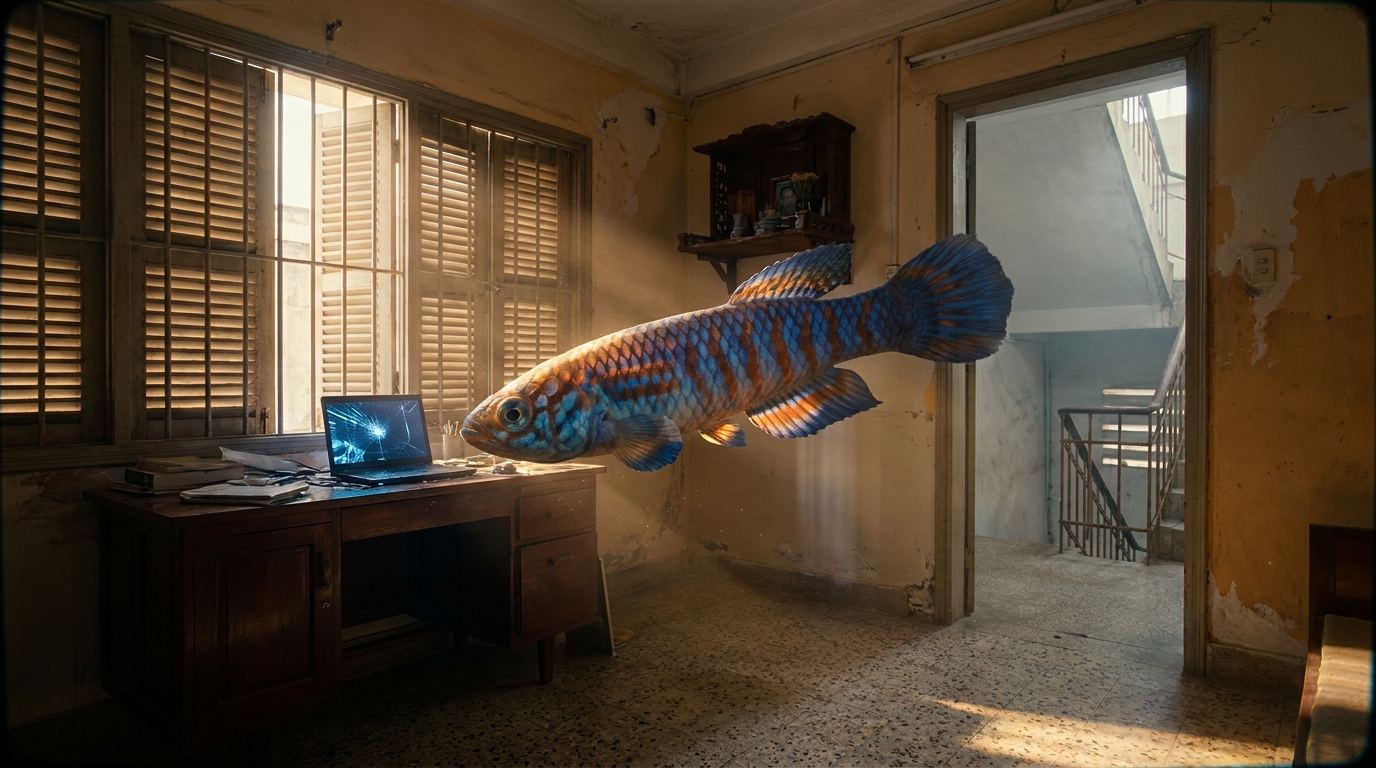
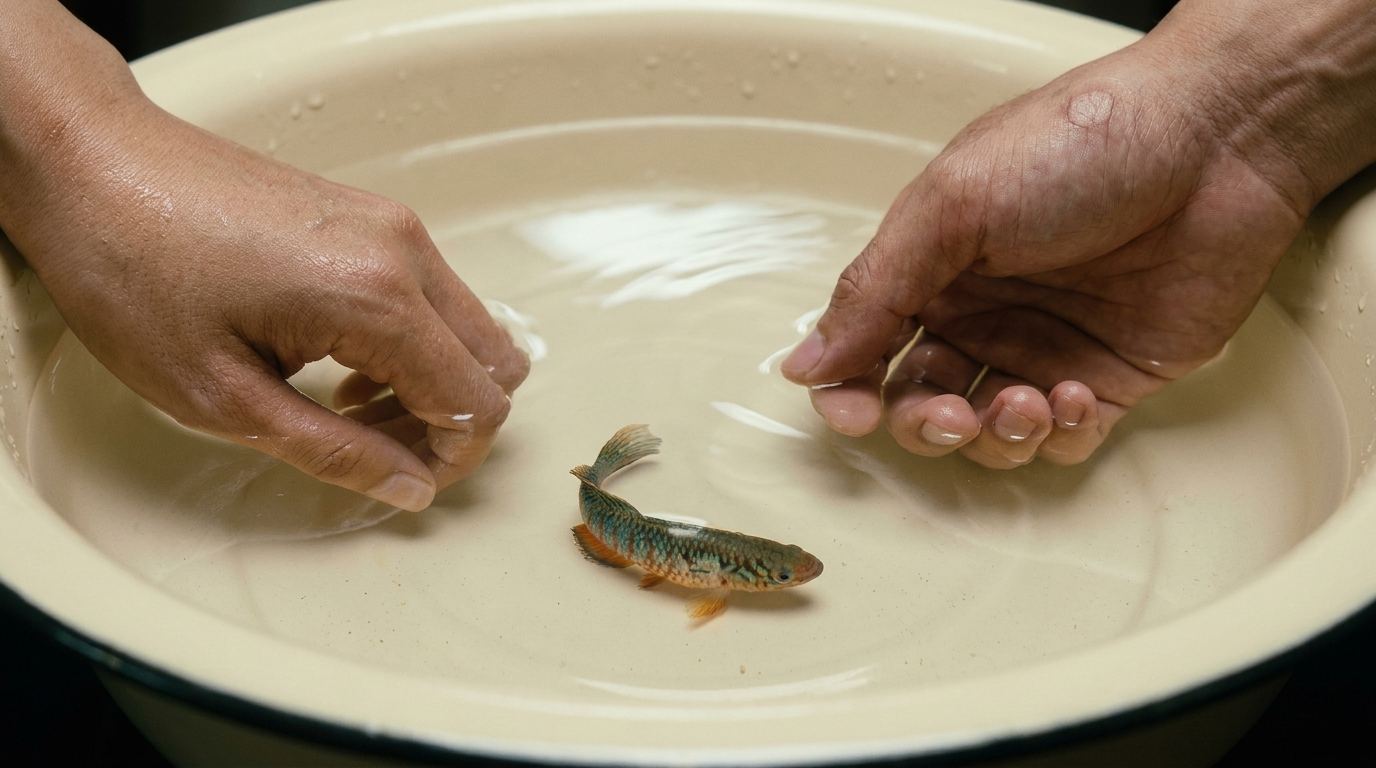
Small fish. Big fish. Some vanish in a flash. Some pull for hours.
The art is knowing which ones to chase, which ones to keep, and how to bring them home.
Because every catch begins with an intention.
A film is
the catch.
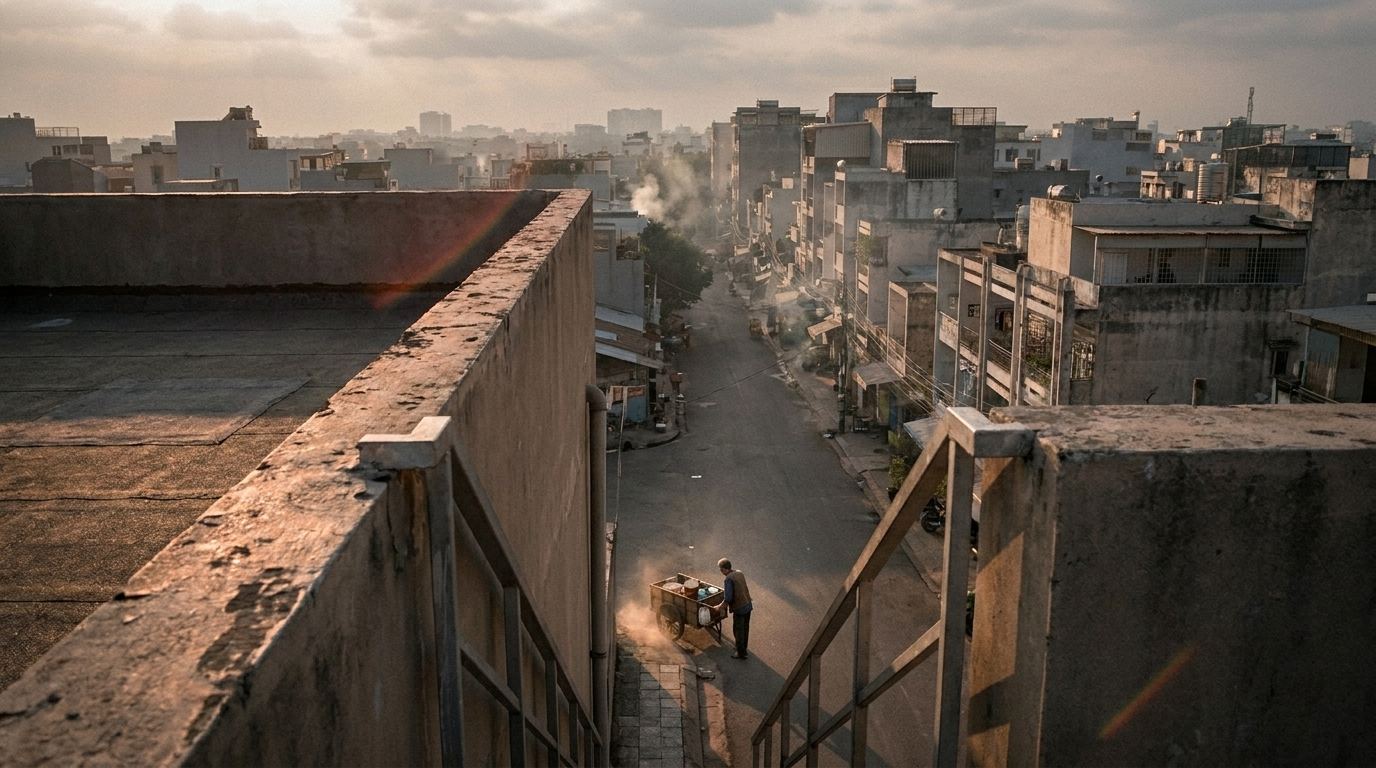
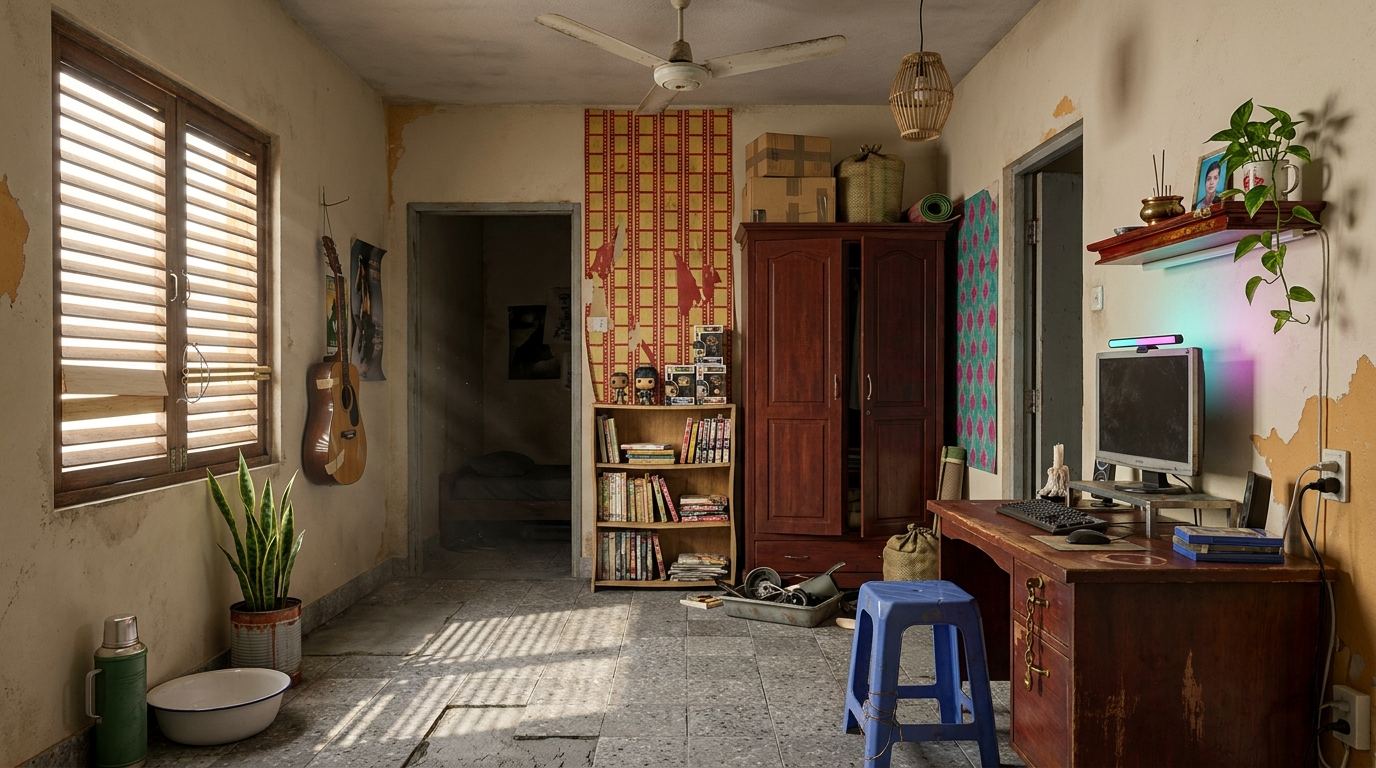
Traditional filmmaking asks directors to wait years before that intention takes shape. Along the way, it passes through countless hands, interpretations, compromises and constraints.
Today, the only thing between a director and their film is a screen.
You imagine it. You catch it. You make it yours.
That is how we protect authorship.
We do not start
from the frame.
We start from
the beat.
The world locks. The shots follow. Nothing downstream is allowed to contradict what the author fixed upstream.
02 — The Economy
Our currency is the beat
A beat
is the smallest unit of story:
a moment in which something
CHANGESHAPPEN
or is felt.
MONTAGE
gives those moments meaning by placing them beside other moments —
across people, places,
cultures, and time —
allowing individual fragments to become a larger emotional idea.
From this relationship comes a uniquely AI-native filmmaking ingredient:
THEN BEAT
A self-contained moment in time, carrying both visual and narrative data.
Our currency is not the token.
OUR CURRENCY IS 'THEN BEAT'
It gives a new generation of filmmakers a way to leap across the obstacles of brick-and-mortar production —
not to bypass filmmaking,
but to compress the distance between imagination and realization,
turning ideas that once demanded enormous crews, locations, logistics and resources into stories that can exist wherever the filmmaker can imagine them.
03
Method
Method
Context.
Intent.
Conversation.
C — the world it reads from
I — the line you own
C — the questions before the image
Three conditions, in the same order, every time. The ten nodes that follow are the same three repeated at the scale of a whole film.
{{ c.kicker }}
{{ c.title }}
{{ c.body }}
{{ c.example }}
04 — The Network
Direct the network
Click a node · then scroll to read it
The network
Research
Pitching
Idea
Beat map
Film spine
THEN Brief
THEN Beats
Master frame
Render & edit
Motion directing
05
The catch
The catch
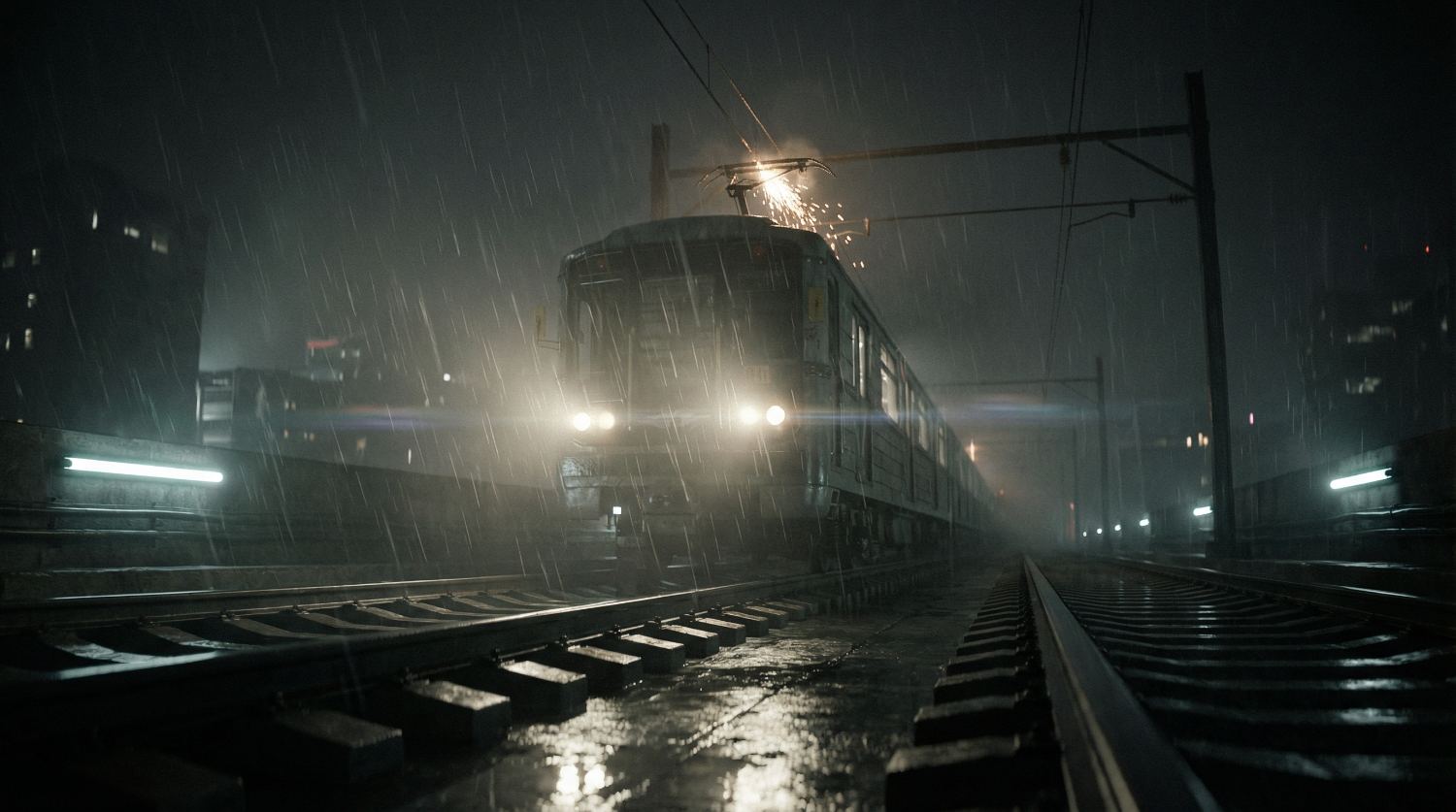
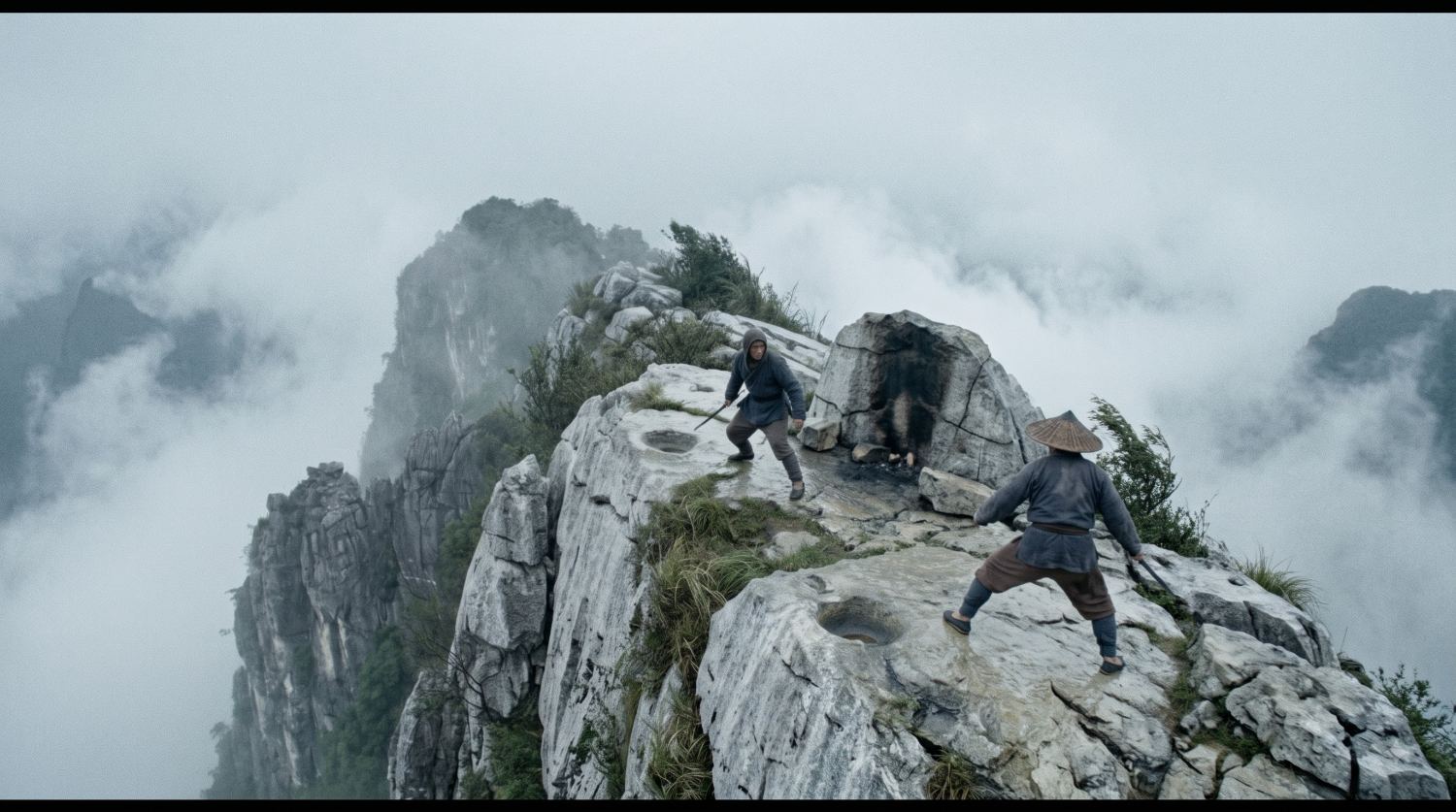
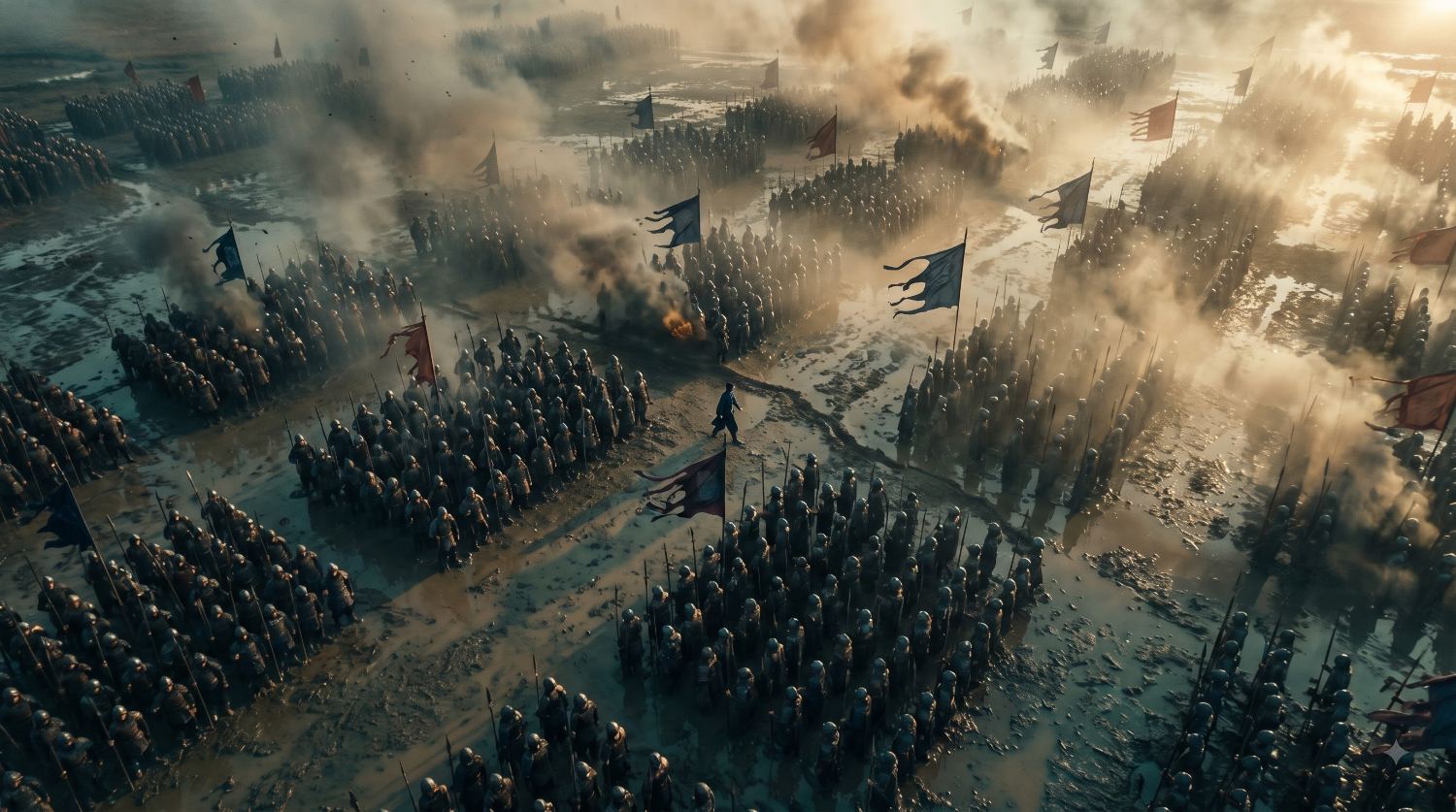
Beats, landed.
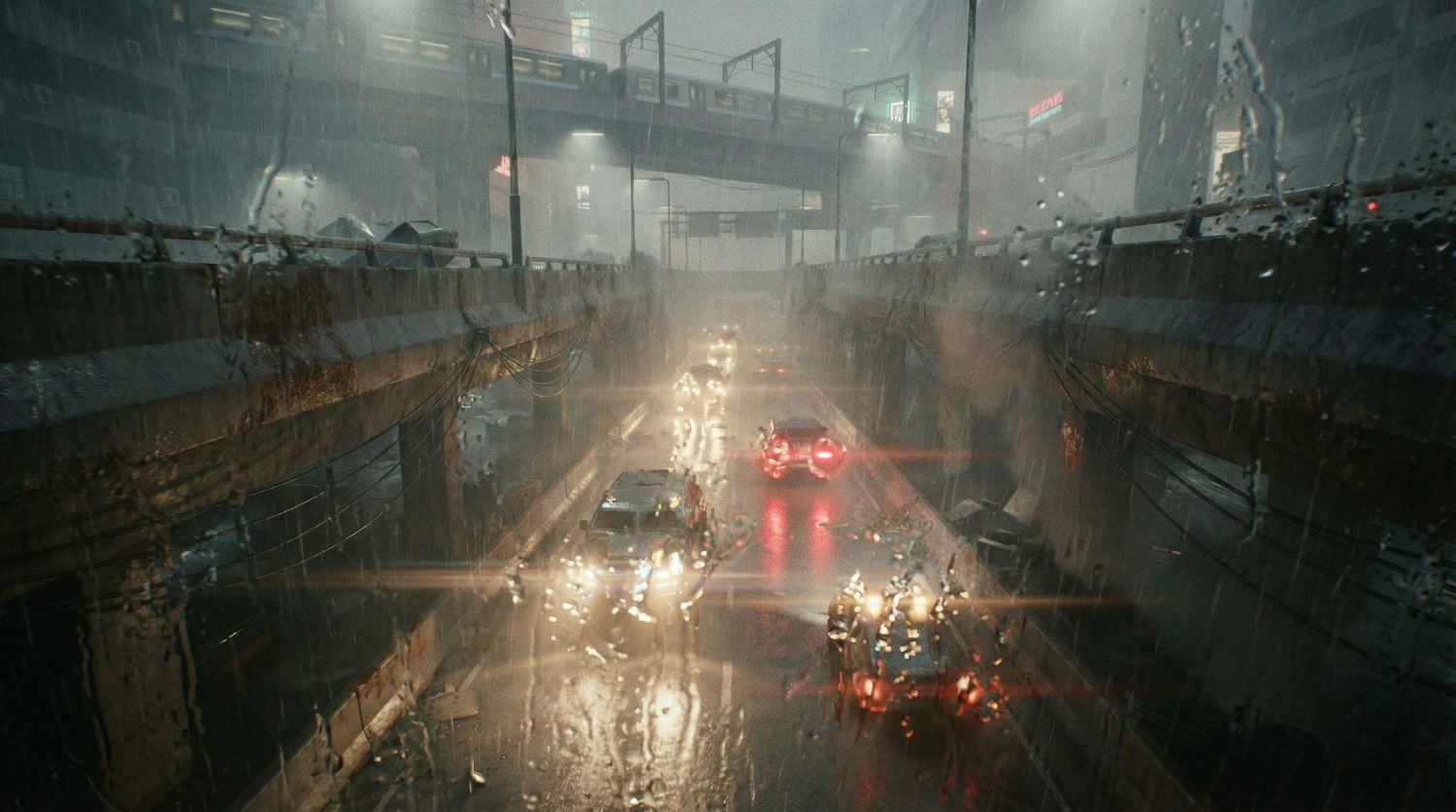
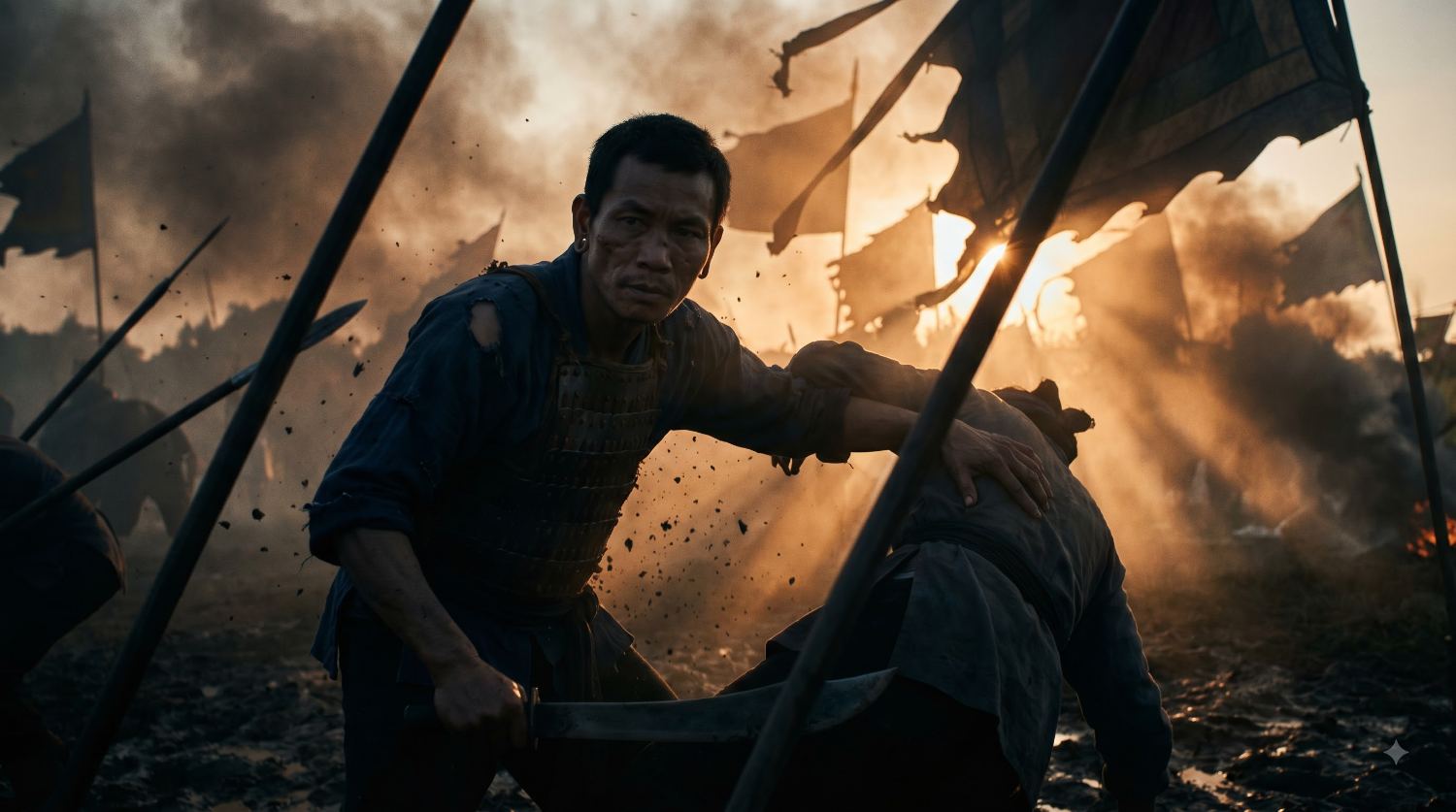
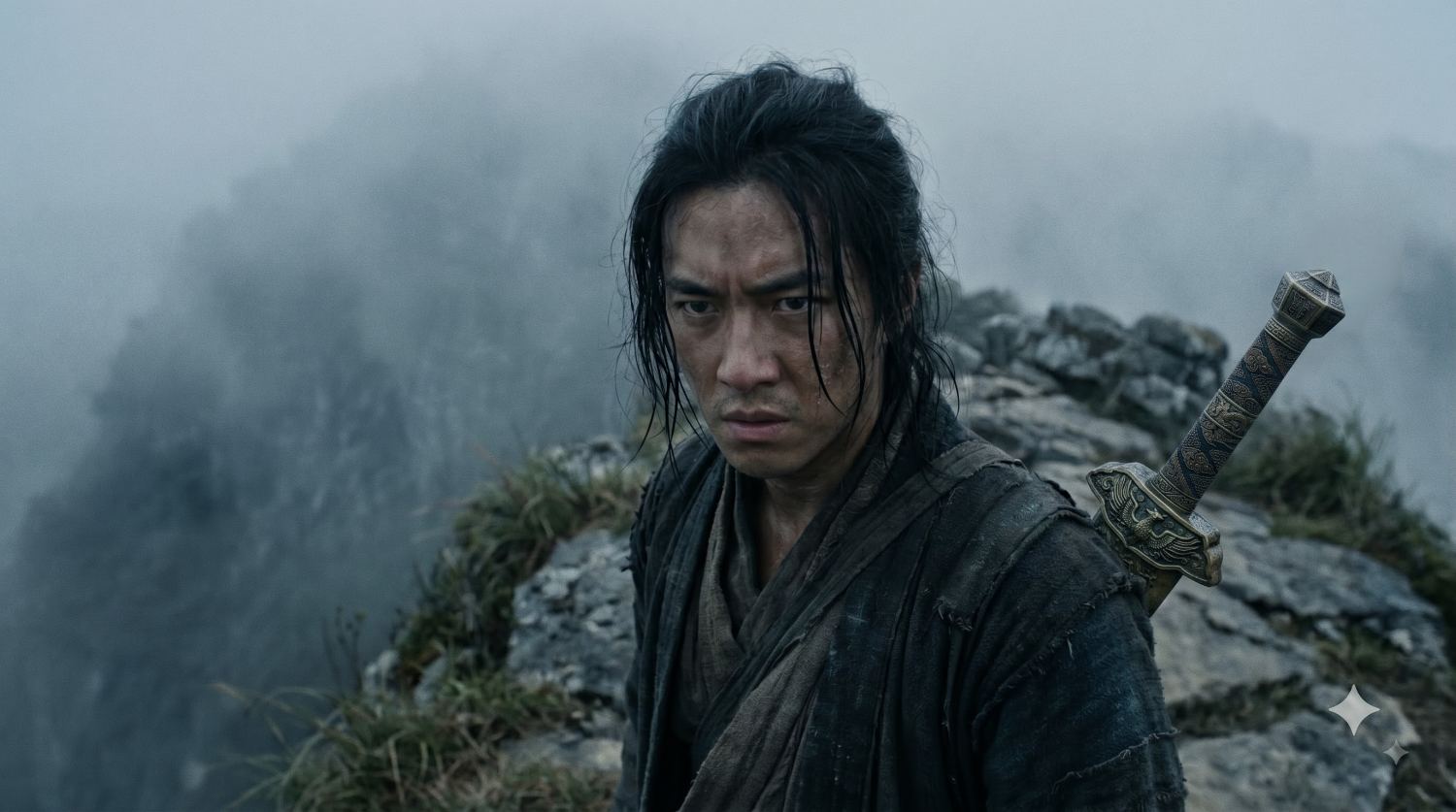
Frames from films in the beta. Each one is the last step of a beat an author kept — never the first step of a prompt.
06
Films
Films
Films made
on FilmFish.
Every film on this page has an author's name on it. Placeholder credits and stills — send us the real ones and they go straight in.
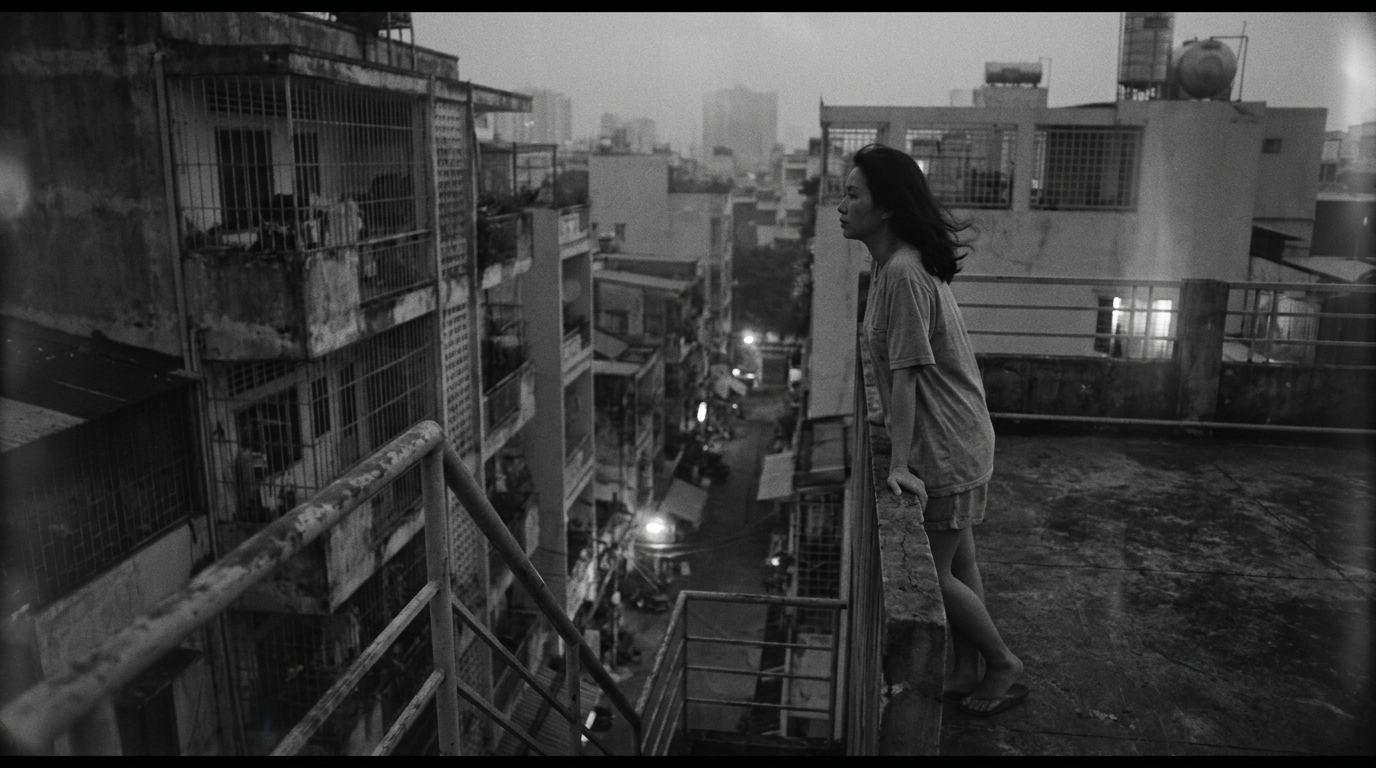
Film 01 · 12 min · Hanoi
The Tank Refills
Directed by Mai Anh Hoang
A girl on a rooftop decides not to leave the city.
25 beats kept · world locked

Film 02 · 18 min · period
Narrow Ridge
Directed by Trần Vĩnh
Two swordsmen agree the duel is already over.
31 beats kept · world locked
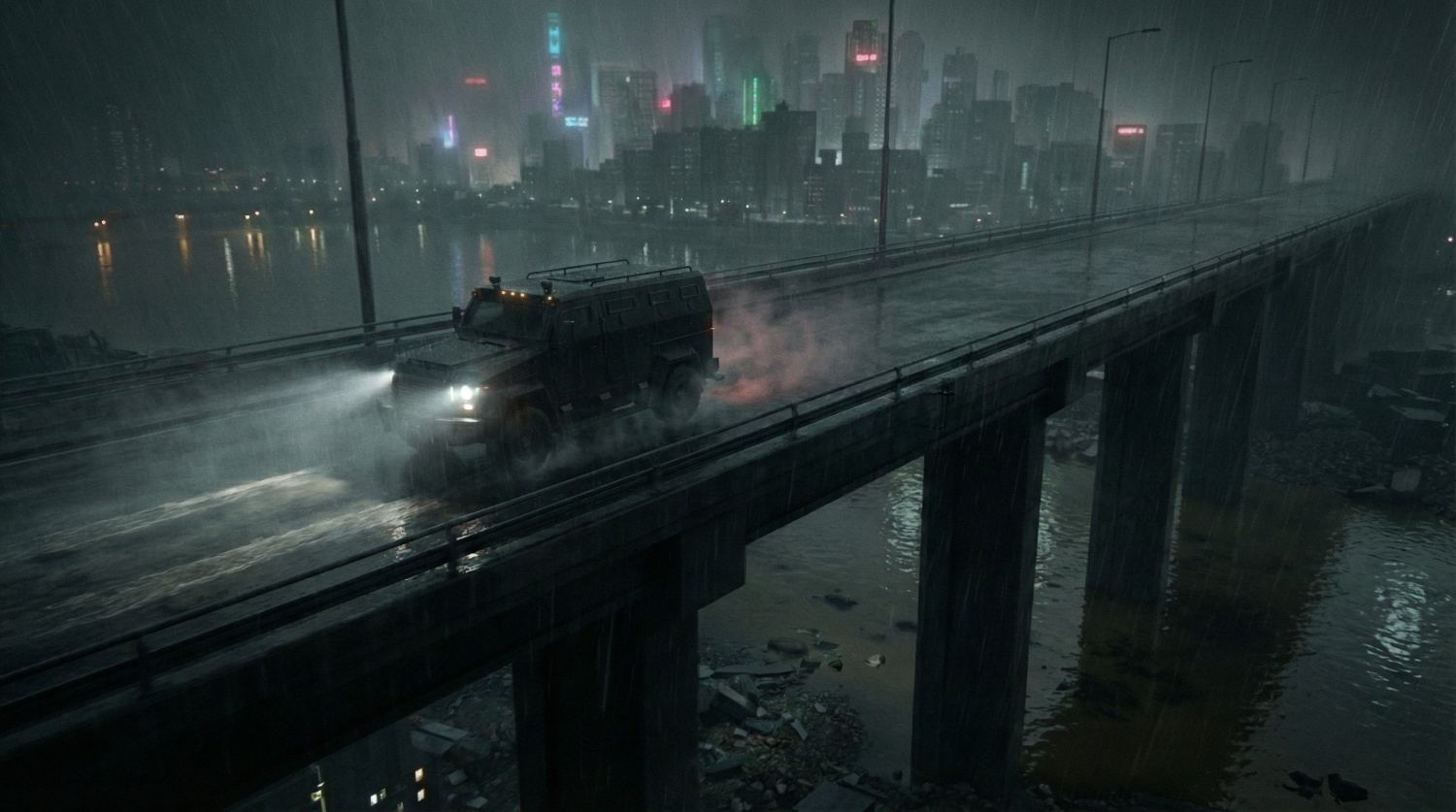
Film 03 · 9 min · night
Wrong Direction
Directed by Placeholder Author
He takes the last train knowing it goes nowhere.
18 beats kept · world locked
07
Position
Position
A rod is not
a factory.
The generator's promise
- More models, more parameters, more output.
- The prompt is the craft.
- Volume stands in for a point of view.
- Nobody signs the result.
The FilmFish promise
- One intention, carried the whole way down.
- The beat is the craft.
- Judgment stands where volume was.
- An author's name on the catch.
Traditional filmmaking asks directors to wait years before an intention takes shape. Today the only thing between a director and their film is a screen. That is how we protect authorship.
08
Studios
Studios
For rooms with
more than one
author in them.
Writers' rooms, agencies and production companies run the same rod together — with the world locked once and shared, so nobody redraws the film every morning.
Shared world lock
Characters, places and rules stay consistent across every shot and every collaborator.
Attribution trail
Every beat carries who wrote it, who kept it and who cut it. Provenance is not an add-on.
Client-ready delivery
Beat sheets, boards and cuts export in the formats your production already runs on.
Rights & review
Approvals, versioning and usage terms handled in the pipeline rather than in email.

09
Proof
Proof
New platform.
Not new to this.
Why an authorship system, and why from us.
Storytellers, not a model lab
M.A.H. Co is a filmmaking company first. The people building FilmFish have sat in edit suites, run out of daylight, and cut scenes they loved.
Built around the beat
The beat is not a feature we added. It is the unit the whole system is written on — from research through to motion direction.
Your work is yours
We never train on your films, beats or worlds. Authorship means nothing if the platform quietly takes a share of it.
Attribution is structural
Every beat carries who wrote it, who kept it and who cut it. Credit travels with the film on export, not as an afterthought.
Small beta, real conversations
We open access in small groups so every author gets a direct line to the team building the thing they are using.
Non-linear by design
Ten nodes, all editable, none of them a gate. Change a decision late and nothing downstream breaks.
10
Pricing
Pricing
You pay in
Fish Points.
{{ plan.name }}
{{ plan.tag }}
{{ plan.price }}
{{ plan.per }}
{{ plan.blurb }}
- ◆{{ f }}
Fish Points roll over. Unused points stay in the pond for 90 days.
11
Questions
Questions
Questions worth asking
before you start.
Not the usual FAQ. The things filmmakers actually want to know before trusting a pipeline with their film.
Do you train on my film? +
No. Your beats, worlds, scripts and frames are never used to train anything. They stay yours, and they stay private to your room.
Who owns what comes out of it? +
You do. The film, the beats and the locked world are the author's. We take no rights in the work and no share of it.
Is this just prompting with extra steps? +
The opposite. You never write a prompt for a shot. You state an intention, answer questions, keep beats, lock a world — then direct the frame. The model is the last thing in the room, not the first.
What if I already have a script? +
Bring it. The nodes are not a gate: start at THEN Beats, or at the Master Frame, and let the earlier nodes fill in behind you. Nothing forces you to begin at research.
Can it hold continuity across a whole film? +
That is what the world lock is for. Characters, places and rules are fixed once and quoted by every shot, so the tenth beat and the first agree with each other.
I am not a director. Is this for me? +
It is for anyone who has an intention and wants to keep it. Writers, agencies, producers and students use the same rod — the difference is how far down it you go.
What does a Fish Point actually buy? +
A decision, not a guess. Beats kept, world locks, image passes and conversation rounds are each priced, and releasing a beat refunds it.
What happens after the beta? +
You keep everything you made. Beta authors keep their credit, their films and their pricing.
Have a film worth
making properly?
Come fishing with us.
Whether you are chasing a first short, evolving a feature, or bringing a client's idea into focus — tell us what you want to make. You will hear back from a person, not a queue.
12
Beta
Beta
Come fishing
with us.
We open the beta in small groups so every author gets a real conversation with the team. Tell us what you want to make.
You're in the queue
We'll write to {{ email }} when the next group opens.